Environment
Antarctica: Ice is breaking down from below
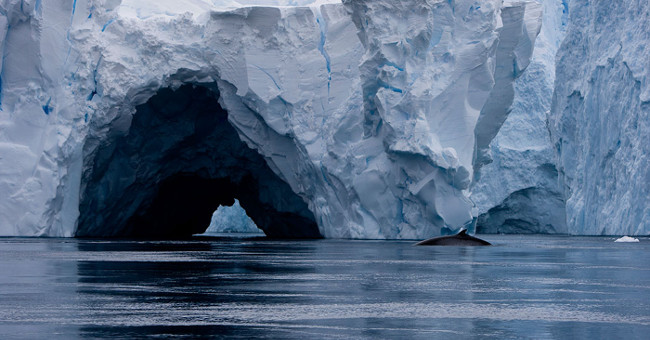
Scientists are closely monitoring the phenomenon of massive Antarctic ice sheets that are breaking and melting.
Browse ScienceInfo articles and explainers related to Ice Melt.
103 published items.
Scientists are closely monitoring the phenomenon of massive Antarctic ice sheets that are breaking and melting.
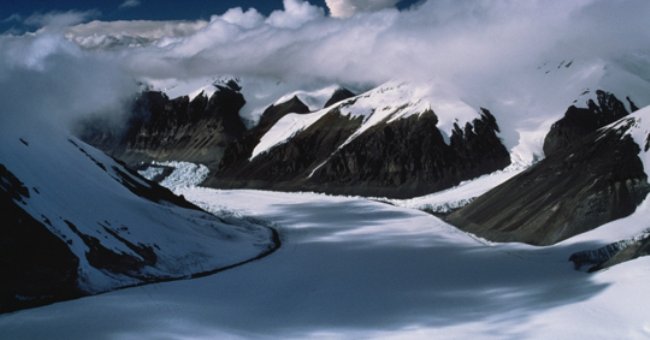
A series of glaciers on the Tibetan Plateau are melting and that situation could have a negative impact on Vietnam and many other Asian countries.
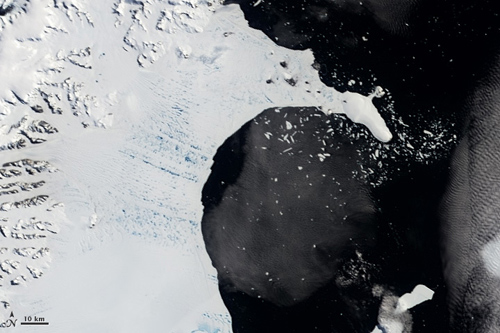
The US Aeronautics and Space Agency warned that Antarctic ice shelves, formed about 12 millennia ago, will soon disappear.
The large loss of ice in the West of Antarctica shows signs of weakening the gravity of the earth in this area.
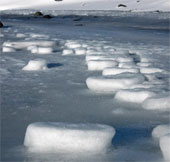
According to the first scientific study of the specific human impact on melting in glaciers, scientists found that humans are the main cause of this phenomenon.
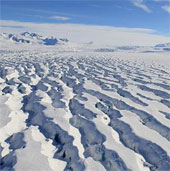
The ice melting situation in Antarctica, which is considered a leading threat to sea level rise, will continue for decades or even centuries.
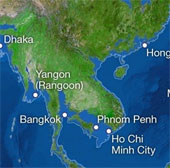
Quite a number of provinces in the North also suffer the same fate
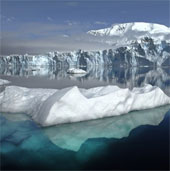
The phenomenon of melting ice to release methane in the Arctic could accelerate the pace of climate change and cause damage to up to $ 60,000 billion for the global econ…
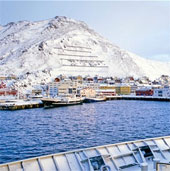
The northernmost town of Kirkenes in Norway was farther away from Asia than any other European port, but suddenly the gap between them narrowed significantly due to melt…
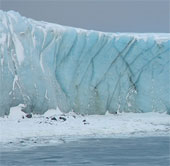
Scientists have long known that ice shelves are melting and that the cause of this phenomenon is due to shattered icebergs off the continental shelves.
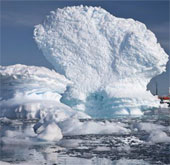
According to a study published April 15 by scientists, Antarctic ice is melting at the fastest rate in 50 years and 10 times faster than 600 years ago.

Large currents, many of which are up to 500km long and 70km wide, have opened on frozen sea surfaces from Alaska to the Arctic islands of Canada as huge ice sheets break…
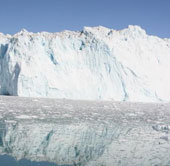
Radio Australia reported in the report of the climate change dialogue in Qatar, the United Nations Environment Program said

Dr. Seymour Laxon and his colleagues at the University of London's Polar Observatory and Model Center conducted a study on the melting speed of ice in the Arctic through…
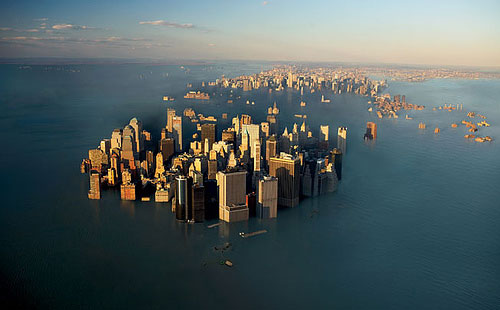
The sea level will rise by 10 to 20 meters when all the ice on the planet melts and the process is inevitable, even if people succeed in controlling the planet's tempera…